Marketers Are All over Clubhouse for Career Growth—But Does the Tech Bro Platform Work for Women?
The women most critical of Clubhouse had one shared complaint: men interrupting.
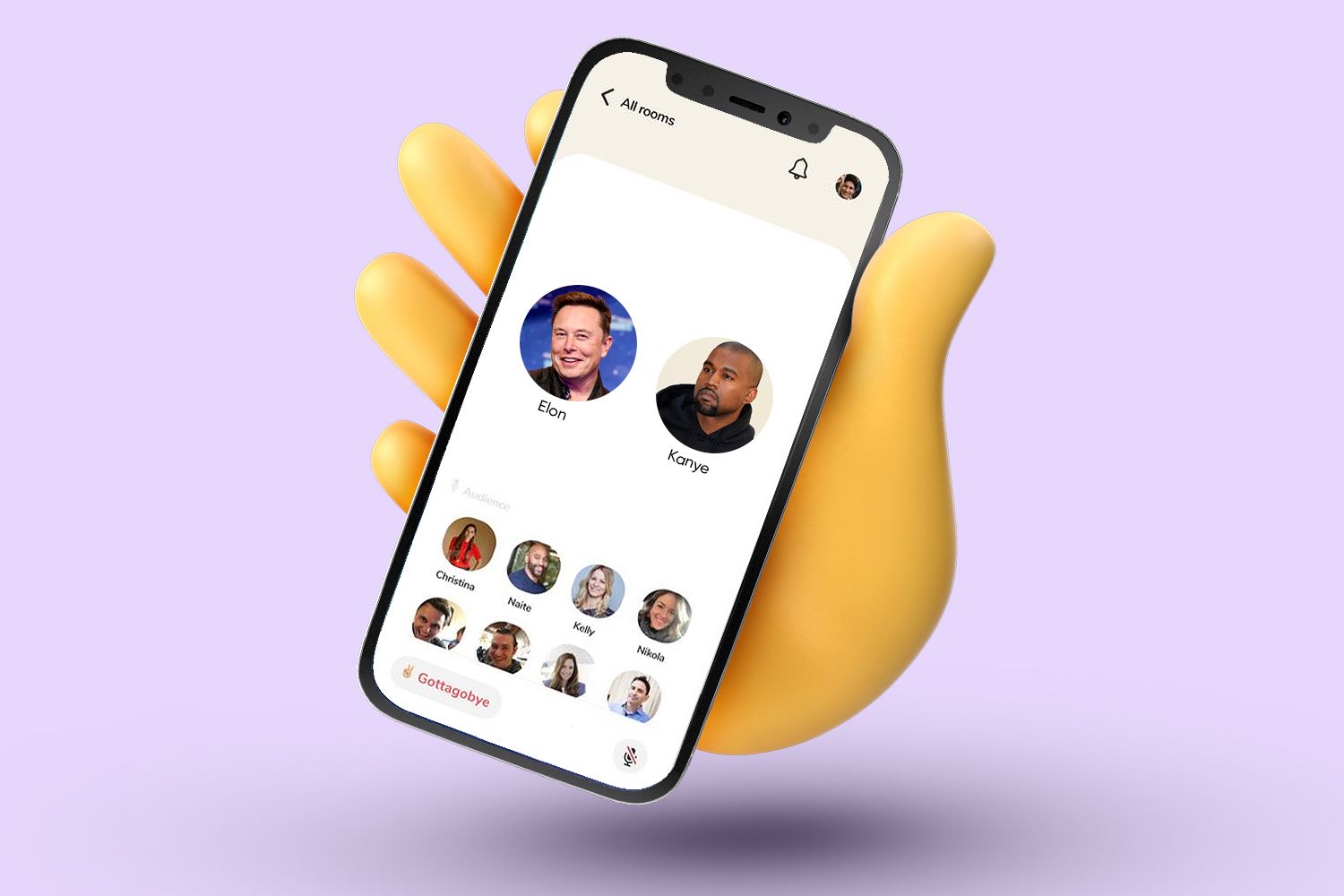
Francis Scialabba
The women most critical of Clubhouse had one shared complaint: men interrupting.
Francis Scialabba
Last week, it happened—the Clubhouse thinkpiece floodgates finally opened. From the app’s viability as an advertising platform to whether or not marketers will keep logging on post-pandemic, it officially entered the zeitgeist.
But as I read word after word about Madison Avenue’s evolving relationship with the app, I couldn’t help but wonder: Does Clubhouse’s reputation as a haven for tech bros make it less appealing to female marketers?
Marketing Brew heard stories from hundreds of women about how Clubhouse boosted their marketing careers in an otherwise socially stagnant time.
Networking: “I’ve actually gotten really cool opportunities from being a speaker/participant in [Clubhouse] rooms, like being asked to be on podcasts or speaking on panels.”—Allyssa Eclarin, branding and product marketing consultant
ROI: “I was listening in on a call today about SMS marketing and wanted to chime in, so I raised my hand and had a convo with the founder of Postscript for 15 minutes and I [got Twitter followers, DMs, and] no joke, a job offer.”—Lillie Sun, growth + DTC lead at Three Ships Beauty
Learning: “In the bitcoin marketing space, [Clubhouse] is making room for women to talk, be heard, learn from other women, and not feel so alienated.”—Aubrey Strobel, head of communications at Lolli
The women most critical of Clubhouse had one shared complaint: men interrupting.
My takeaway: The vast majority of marketing mavens I spoke with said yes, yes, a million times yes—being on Clubhouse has improved their careers. And although it shouldn't be this way—the men of Clubhouse need to show respect—you might have to channel your inner Kamala Harris to get the most out of the app depending on the rooms you join.