Advertisers are targeting horror-loving younger audiences in theaters
Fans of titles like “Longlegs” may be harder to reach through other channels, marketers told us.
Black Bear Pictures
Loading story content…
Fans of titles like “Longlegs” may be harder to reach through other channels, marketers told us.
Black Bear Pictures
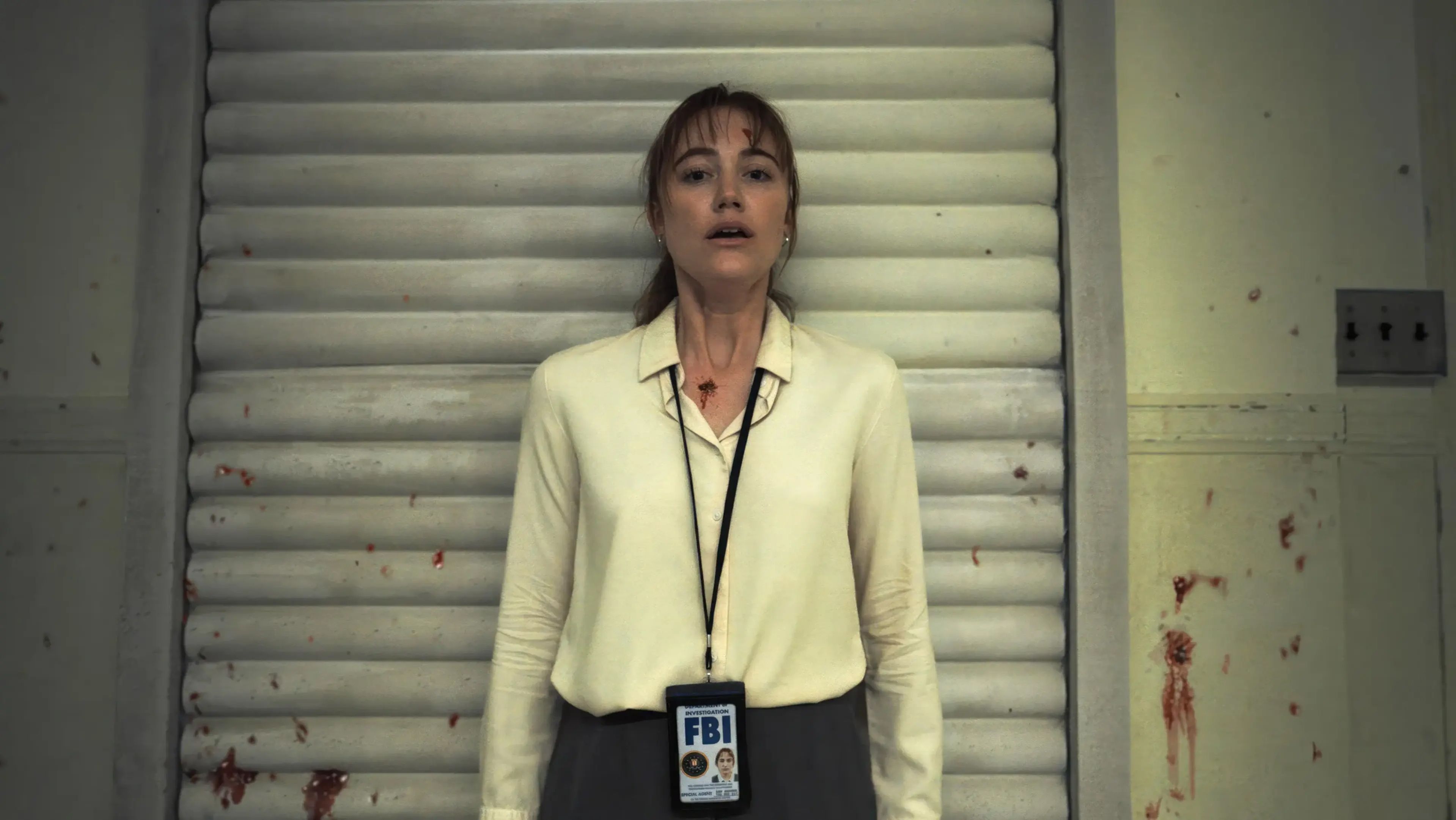
To promote the horror film Longlegs this summer, indie studio Neon didn’t take out a single TV ad.
Instead, it bought a billboard in Los Angeles displaying a phone number that, when called, played an audio message from the film’s serial killer played by Nicolas Cage.
The number received more than 250,000 calls in the first 48 hours—and Longlegs, which notched $22.4 million in the US in its first weekend, went on to become Neon’s highest-grossing release of all time.
Longlegs isn’t the only horror film to do well in the last year. Another Neon horror film, Immaculate, released in March, was briefly the studio’s biggest opening weekend for a film domestically ($5.3 million), before Longlegs; it went on to make over $28 million at the global box office. Meanwhile, this summer’s M. Night Shyamalan horror film Trap raked in more than $80 million at the international box office.
As moviegoers flock to theaters to see horror films, some advertisers have turned to in-theater ads to target the audiences those titles attract, who, cinema advertisers told us, can be harder to reach through other channels.
Advertising against indie horror films can allow brands to strategically target a somewhat elusive demographic, according to Jennifer Friedlander, SVP of insights and measurement at Screenvision.
“They’re the cord-cutters, they’re the ad-avoiders,” she said. “They’re heavy streamers of non-ad-supported content. They’re online all the time…This is really the one place where advertisers can really connect with them during a highly personalized moment that they’ve opted into because of their interest.”
According to internal Screenvision data provided to Marketing Brew, half of cinema audiences are 18-34 year olds, and that demographic seems to love horror movies, frequently accounting for more than half of the opening-weekend audiences for those titles, per Screenvision. By comparison, that same group makes up 13% of NFL Sunday viewership, according to Screenvision.
Mike Rosen, CRO at National CineMedia, a cinema advertising company, said the horror/thriller genre “super-serves” younger audiences, who can be more challenging for advertisers to reach than older viewers. (Overall, he said, cinema patrons are young and diverse, with a median age of 30.)
“Most of the marketers that come to NCM are looking for the reach—the incremental, valuable reach of that younger audience,” he said.
Some indie horror films have a key advantage in that indie films overall, horror or not, tend to have a longer viewership lifespan, Kevin McGaw, SVP and head of marketing at Screenvision, told Marketing Brew. Thanks in part to the marketing that personal recommendations can provide, indie titles can attract more viewers into theaters in the weeks after their debuts.
“The marketing that goes behind the big hits creates this anticipation, but when you think about the indie films, a lot of it is word-of-mouth—they don’t have the marketing campaign,” he said. “Ultimately, some people go see it, and then they socially post about it, and then it creates a groundswell of an actual increase in audience [during the] second, third, fourth week.”
Take last year’s creepy hit M3GAN. Viral memes and positive reviews helped push its global box office intake past $180 million.
As for the rest of the year, there will be plenty more horror films, both indie and otherwise, coming, including Paramount Pictures’s Smile 2, which is hitting the big screen ahead of Halloween, A24’s horror film Heretic, which stars Hugh Grant, in November, and Amy Adams-led Nightbitch from Disney’s Searchlight Pictures in December.
“October is going to be a great indicator,” Martino said. “You have a lot of smaller horror that’s going to get a good percent of that audience coming through.”