Influencer Marketing’s Next Step: Public Health PSAs
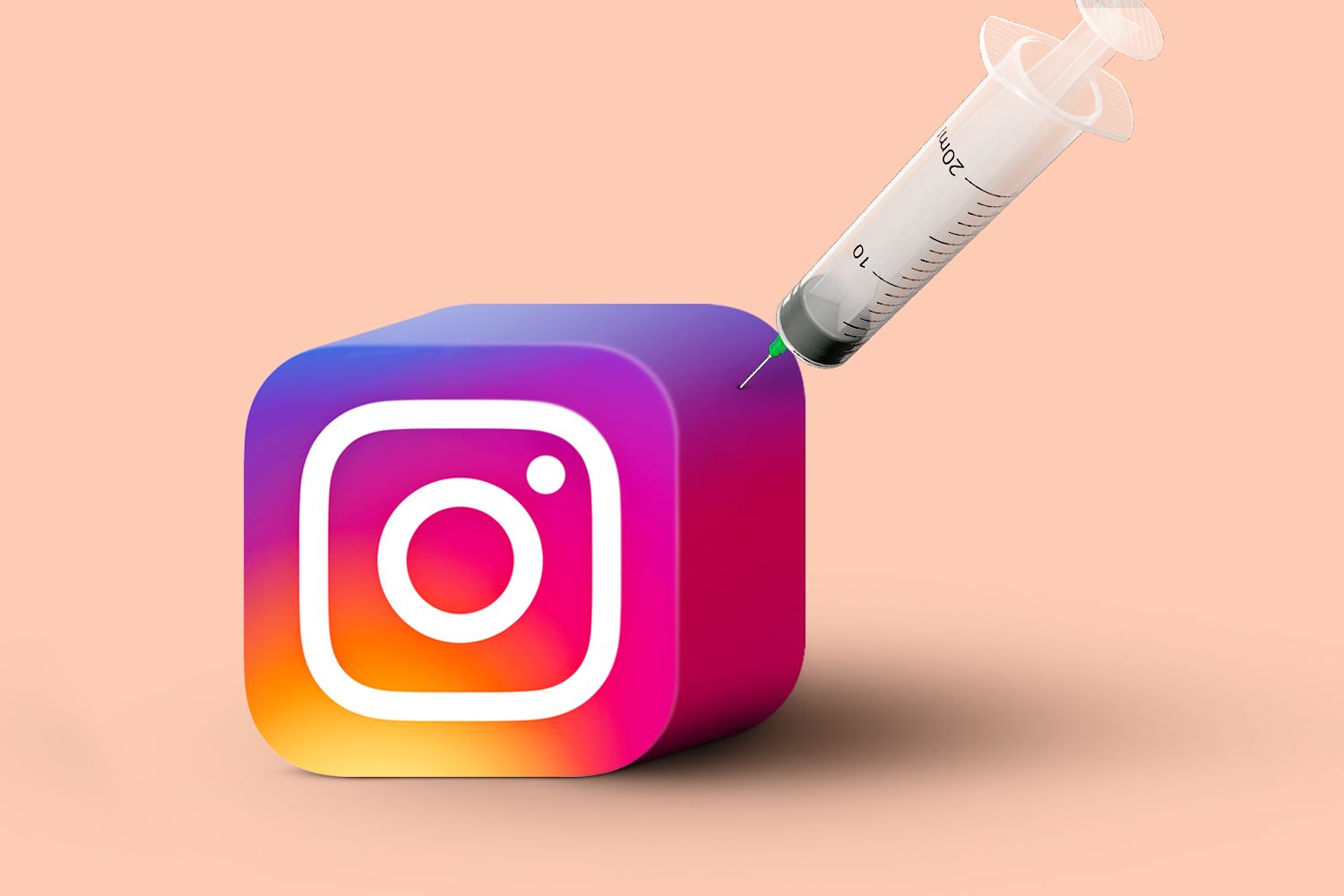
"Instagram Face" proved influencers can change beauty standards—but what about vaccine standards?
Francis Scialabba
"Instagram Face" proved influencers can change beauty standards—but what about vaccine standards?
Francis Scialabba
Monday morning marked the first U.S. Pfizer/BioNTech Covid-19 vaccination. The shot heard around the country felt like hope.
But you know what shot felt even more meaningful to me? Seeing one of my former sorority sisters, now a healthcare worker, getting the vaccine via her Instagram story.
Perhaps that feeling—that I know someone who got the vaccine—explains why health organizations are tapping influencers to encourage vaccination.
All three of the organizations mentioned above have enormous marketing campaigns behind vaccine awareness. Influencer marketing’s significant role in those campaigns furthers the idea that the marketing sector is quickly becoming more mature.
The enormous campaigns part: As one example, in late November, the Ad Council set a lofty goal—raise a minimum of $50 million to fund a Covid-19 vaccine awareness campaign. It could go down in U.S. history as one of the nation’s largest-ever public health campaigns.
The more mature part: At this point, we shouldn’t be surprised that marketers use influencers for more than just selling hair growth vitamins.
As to how involved influencers could be in these public health PSAs, the sky’s the limit.
My takeaway: Influencer marketing’s debut into the broader marketing world has been a long 2020 coming. And the strategy has immense potential to work for organizations like WHO and the Ad Council—if executed correctly, of course.